Wildlife and ecology
Coy Lake’s wildlife and ecology form a classic New Brunswick wetland–forest ecosystem: rich in birds, amphibians, furbearers, and healthy freshwater species. Because the lake sits in the Saint John River Valley corridor, it benefits from one of the province’s most biodiverse regions, with wetlands, mixed forest, and calm waterways that support everything from otters to ruffed grouse.
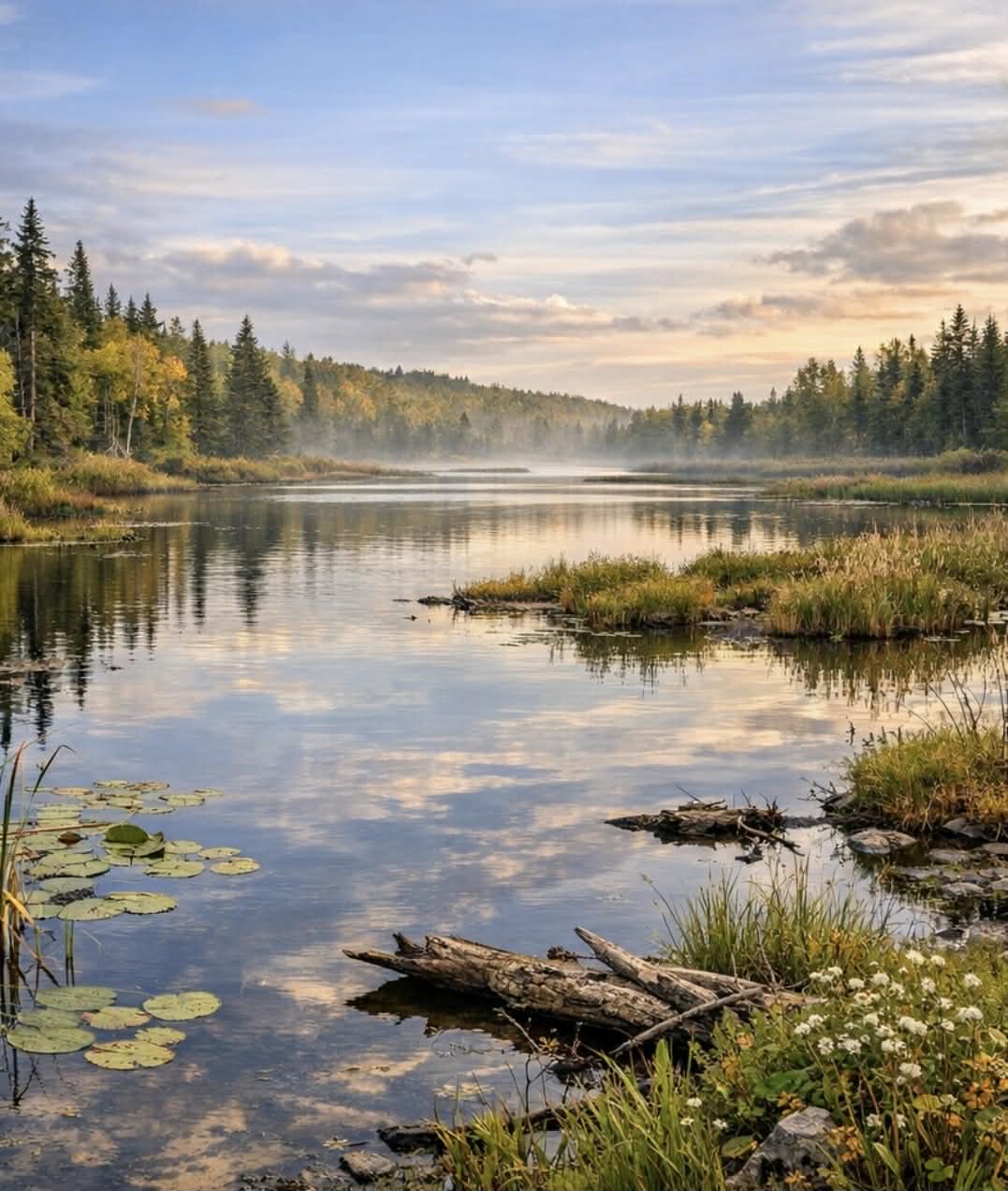
🏞️ Ecosystem of coy Lake
Coy Lake sits within a mixed‑wood Acadian forest and wetland
mosaic, typical of central New Brunswick. These habitats support:
• Freshwater fish communities
• Amphibian‑rich marsh edges
• Migratory and resident bird species
• Mammals like deer, beavers, and otters
• Healthy insect and pollinator populations
The lake’s slow-moving water, shallow bays, and vegetated shoreline make it especially productive for wildlife.
🌎 Conservation Notes
- Coy Lake falls within New Brunswick Wildlife Management Zones, which help guide sustainable wildlife populations and habitat protection.
- The region supports species ranked from secure to at‑risk, according to the Atlantic Canada Conservation Data Centre.
- NB’s Department of Natural Resources provides oversight for fish, wildlife, and habitat stewardship.
🐟 Fish & Aquatic Life
Coy Lake's calm and nutrient-rich waters support various species
that thrive in the lake’s warm shallows, vegetation beds, and soft-bottom
habitat.
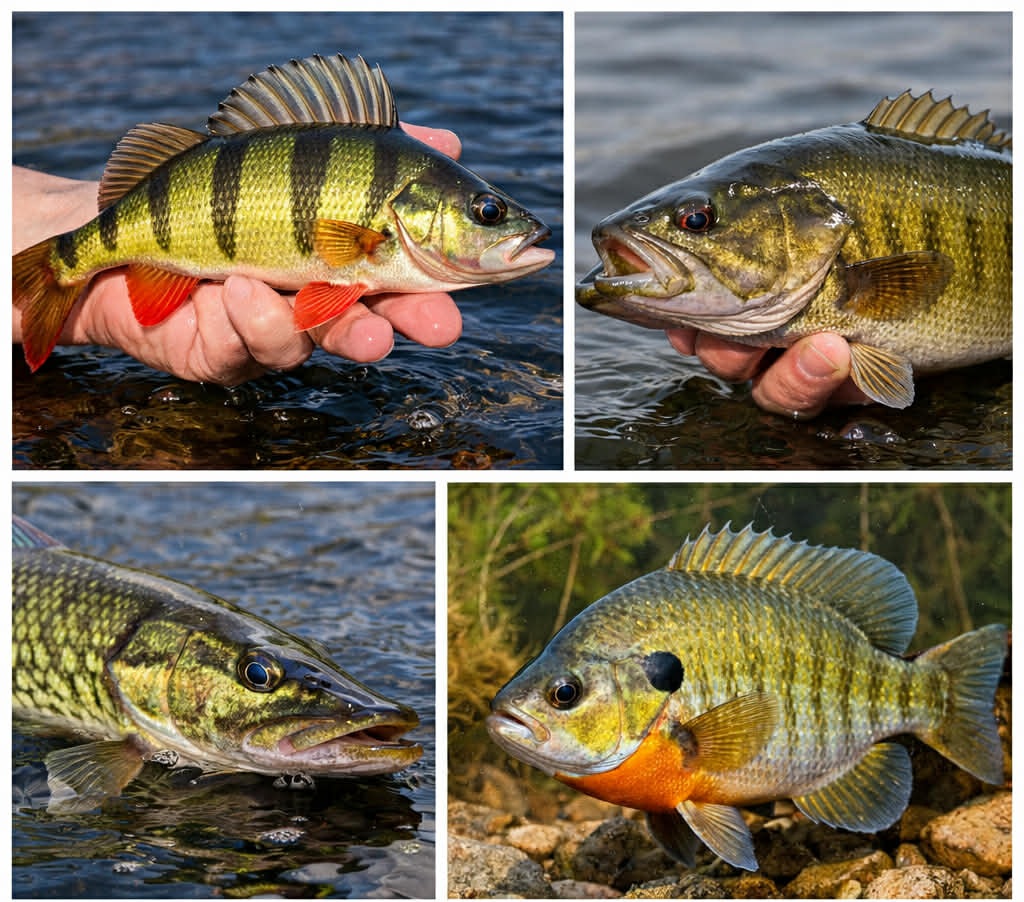
• Yellow perch
• Smallmouth bass (in connected waterways)
• Pickerel
• Sunfish
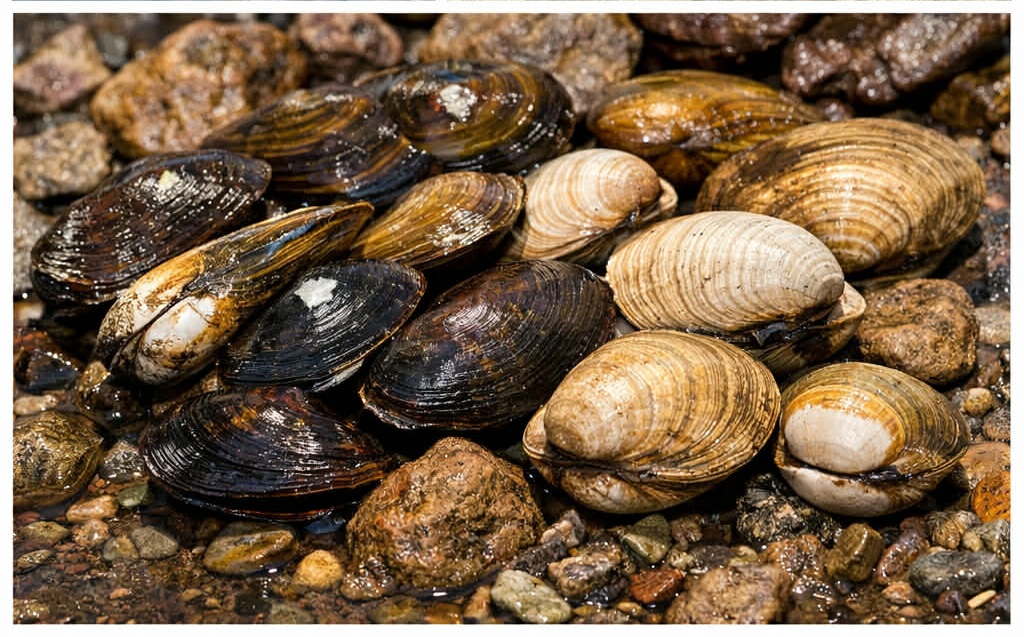
• Freshwater mussels & clams (common in NB lakes)
🦆Birds of Coy
The lake is excellent for birdwatching, especially early morning.
Songbirds
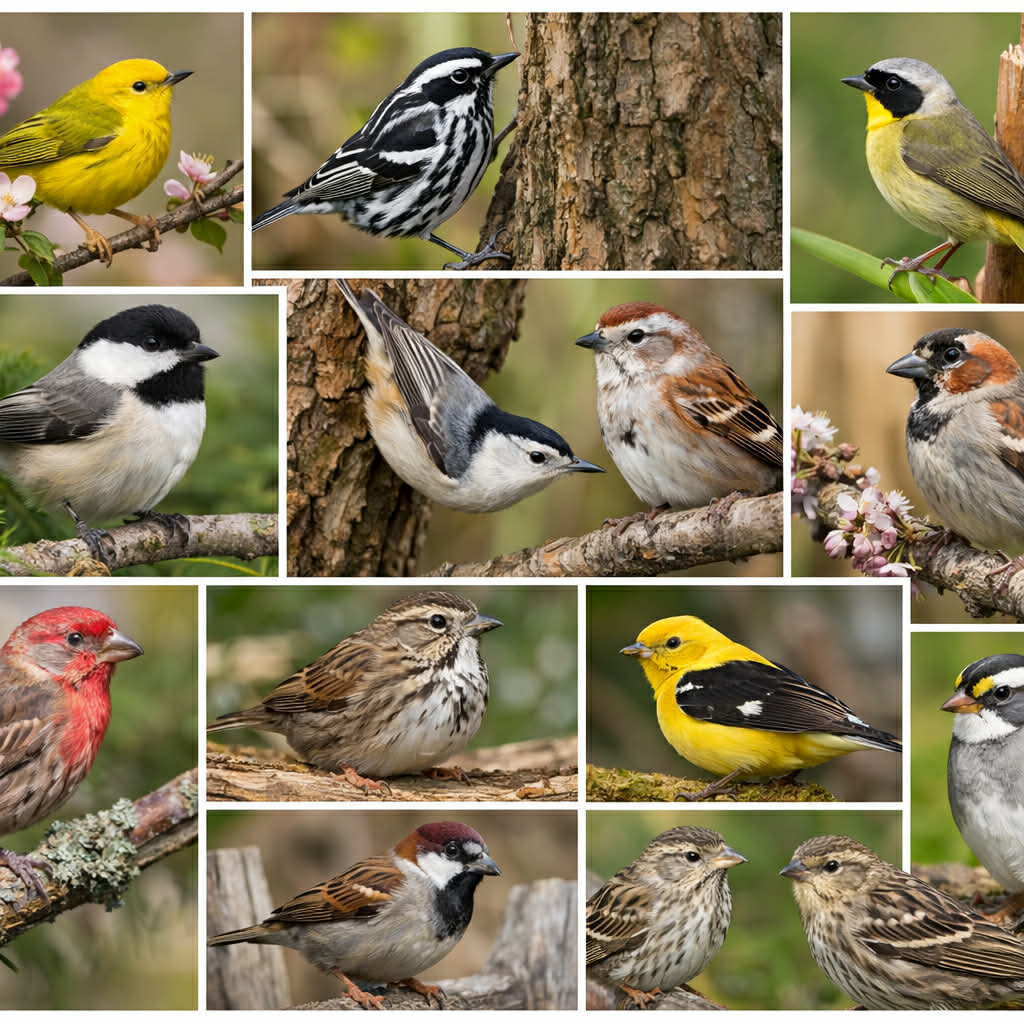
• Warblers (yellow, black‑and‑white, common yellowthroat)
• Chickadees
• Nuthatches
• Sparrows & finches
Forest & Shoreline Birds
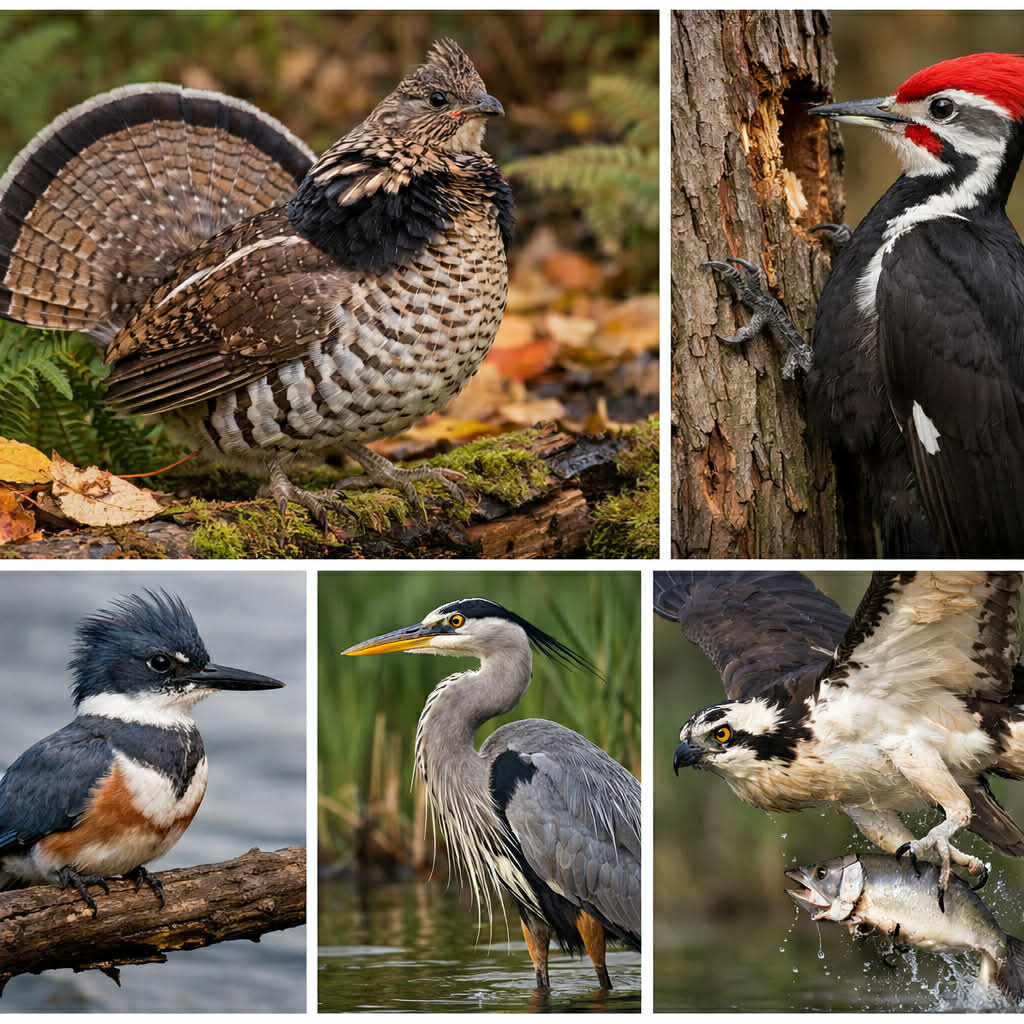
• Ruffed grouse
• Pileated woodpecker
• Belted kingfisher
• Great blue heron
• Osprey (often fishing over the lake)
Waterfowl
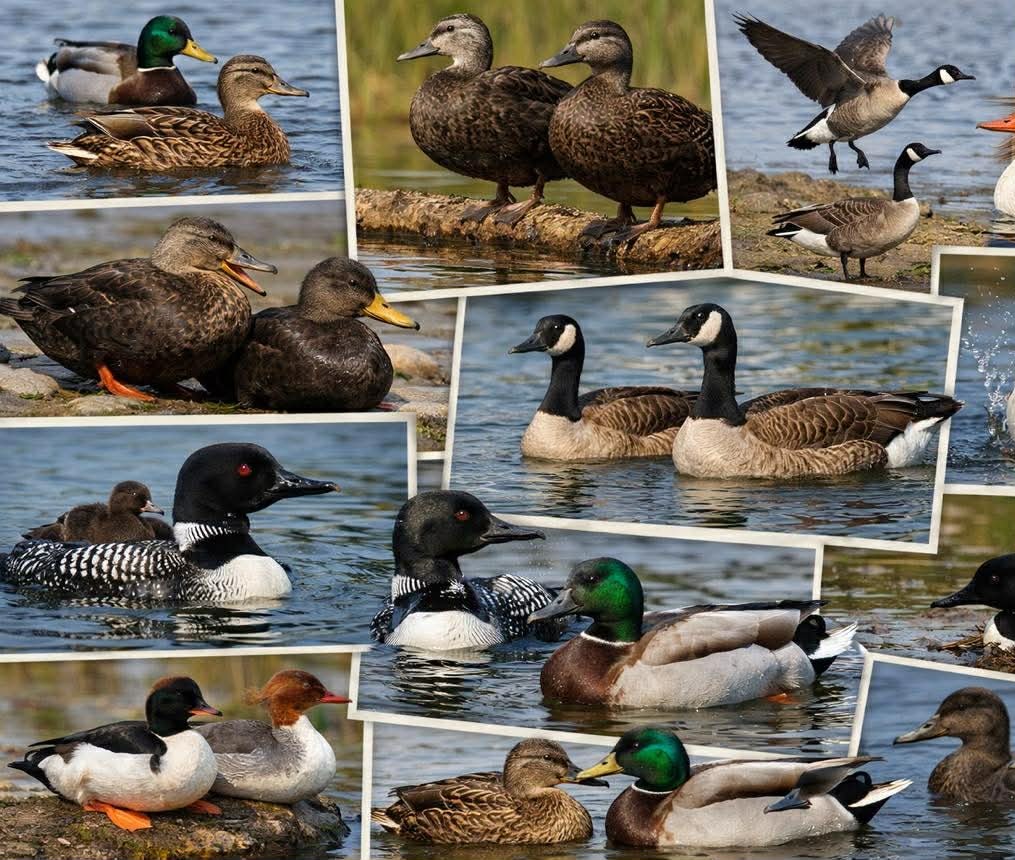
• Mallards
• Black ducks
• Canada geese
• Common mergansers
• Loons (heard more often than seen)
🐸 Amphibians & Reptiles Coy Lake’s wetlands make it a hotspot for amphibians.
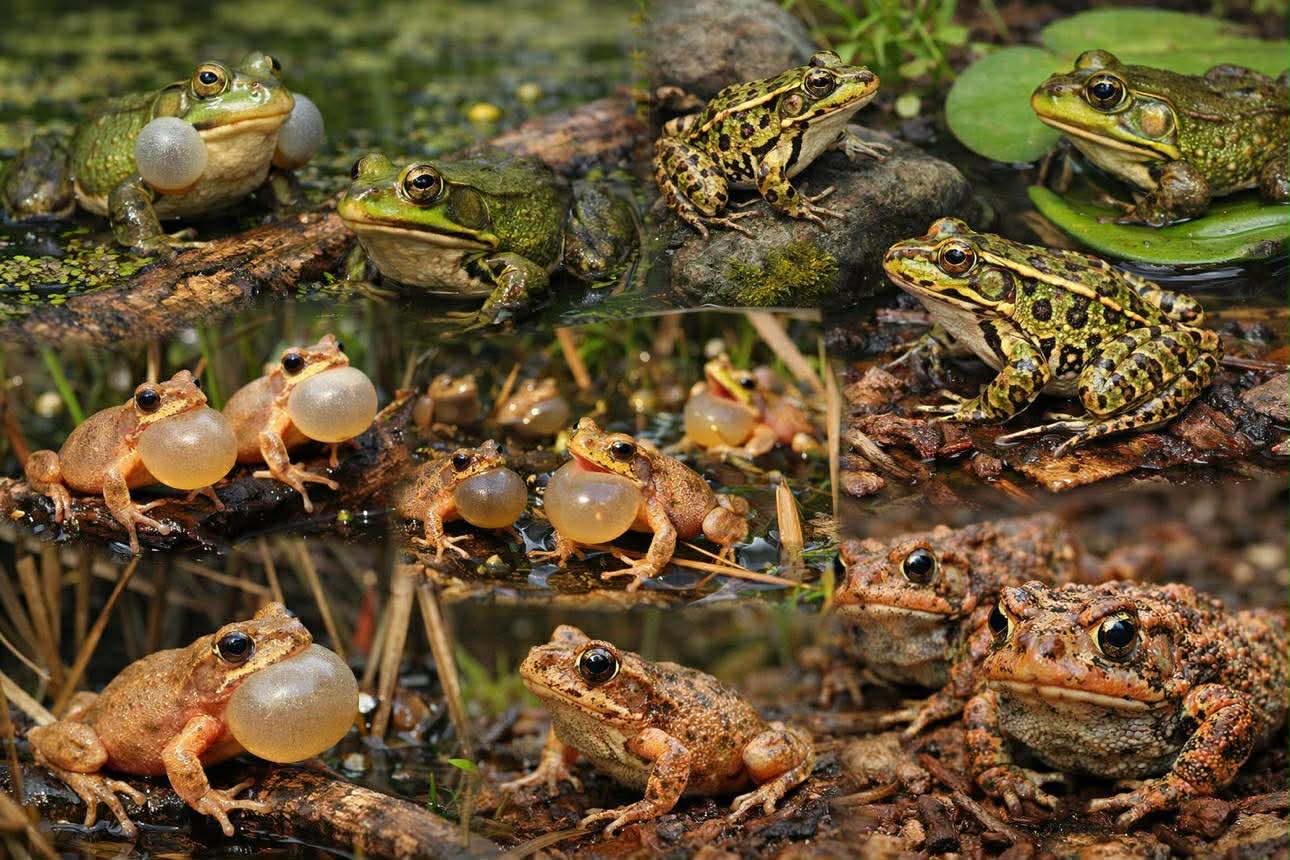
Common Species
• Green frogs
• Leopard frogs
• Spring peepers (signature spring chorus)
• American toads
Reptiles
• Garter snakes
• Painted turtles (basking on logs in summer)
🌱Plants & Shoreline Ecology The lake’s vegetation supports nesting birds, fish nurseries, and pollinators.
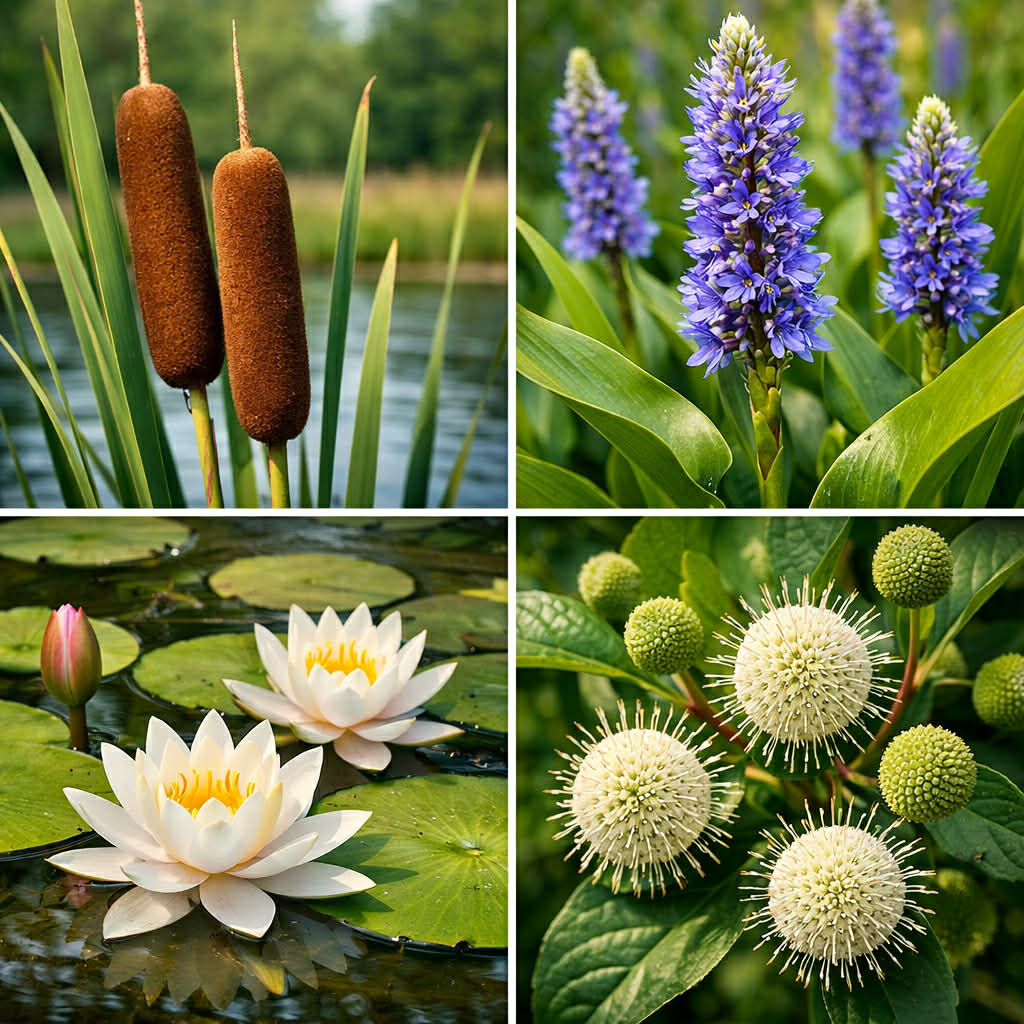
Shoreline Plants
• Cattails
• Pickerelweed
• Water lilies
• Buttonbush (a valuable pollinator shrub in NB wetlands)
Forest Plants
• Red maple
• White birch
• Balsam fir
• Spruce
• Ferns, mosses, and wildflowers
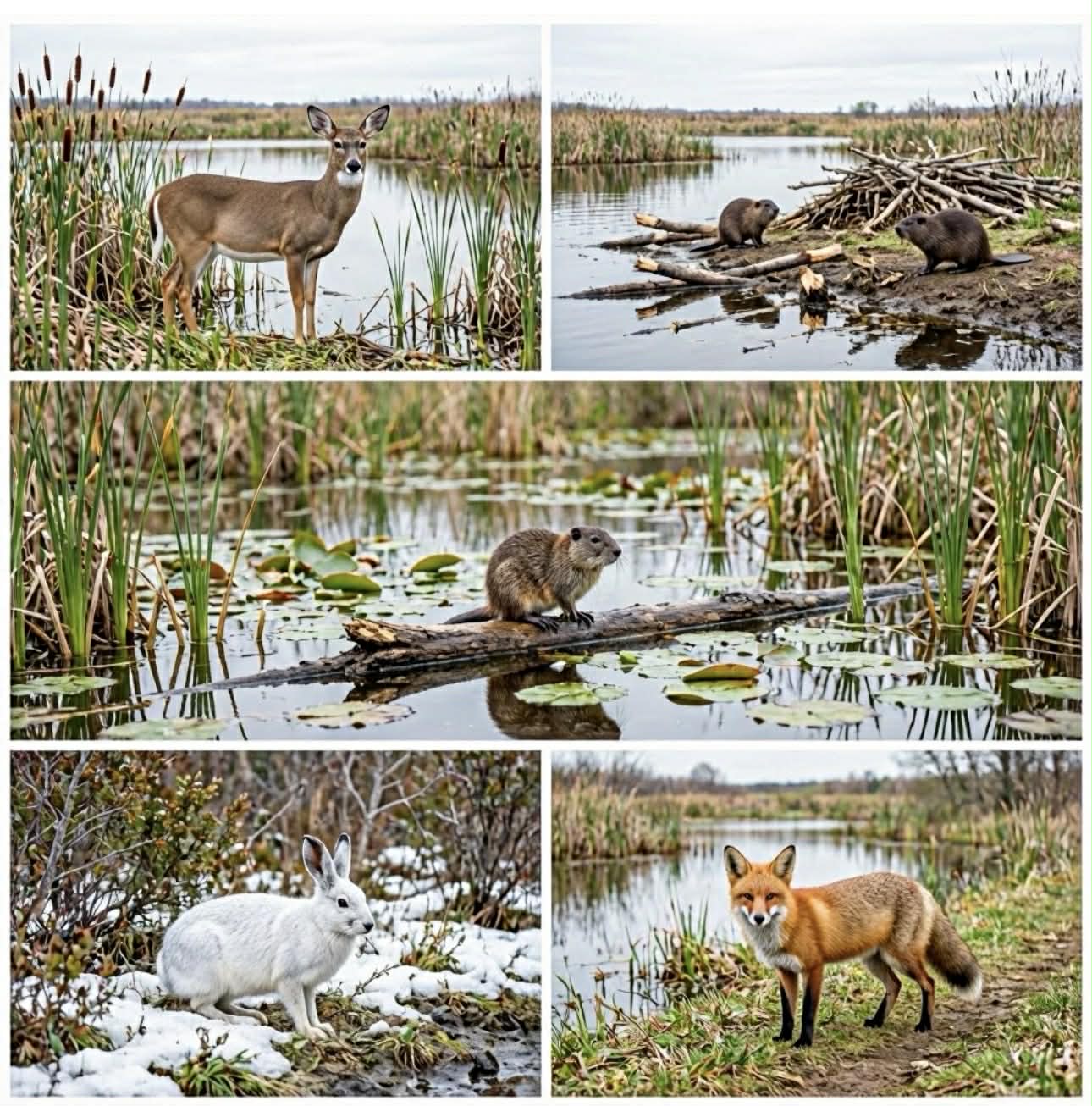
🐾 MAMMALS COMMONLY SEEN AROUND COY LAKE
Frequent Sightings
• White‑tailed deer – abundant in the Saint John River Valley.
• Beavers – active around wetlands; look for lodges and chewed
poplar.
• Muskrats – often seen near cattails and marsh edges.
• Snowshoe hare – common in forested areas.
• Red fox – occasionally seen near open fields and roads.
Occasional / Lucky Sightings
• North American river otter – playful, often spotted at dawn/dusk.
• Moose – more common in nearby wetlands and forest corridors.
• Black bear – present in the region but typically avoids human
activity.
🐾 Signs of Wildlife Guests Can Look For
• Beaver chew marks on saplings
• Otter slides on muddy banks
• Loon calls at dusk
• Grouse drumming in spring
• Deer tracks along trails
• Turtle nests in sandy patches